

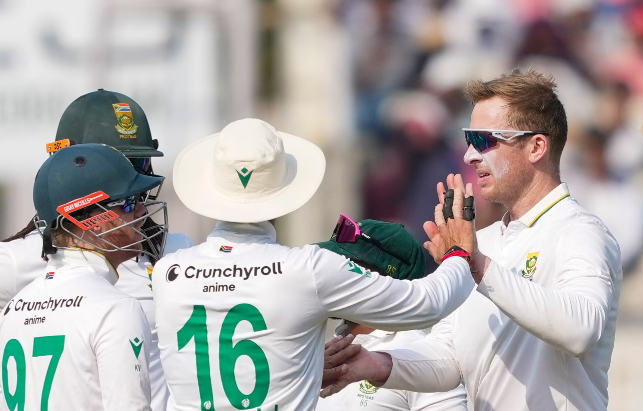

- India were chasing a small target of 124 runs in the fourth innings but only managed 93, collapsing under pressure.
- The pitch and conditions became a talking point: inconsistent bounce and big turning phases made batting tricky.
- Their skipper for the match, Shubman Gill, was injured (neck issue) and couldn’t bat in the second innings — obviously didn’t help
- The coach, Gautam Gambhir, is under scrutiny already.
🎯 Why this matters
- Losing at home in a short Test series puts India in a tight spot: the second Test now becomes “must-win” if they want to avoid series defeat.
- It exposes vulnerability: small chase, home conditions, but still the batting collapsed. That’s a red flag.
- The opponent (South Africa) gaining confidence and momentum; for India the pressure just increased.
✅ What India needs to bounce back
- Fix the mental approach in the chase: they need to respect the target and adapt to conditions.
- Better balance in lineup, maybe more right-handers if conditions favour them; adjust to pitch behavior.
- Get key players fit (Gill) and recovery ensures depth.
- Bowling side: keep applying pressure, but batting has to step up.
🇮🇳 DETAILED MATCH BREAKDOWN — WHY INDIA LOST TEST 1
1️⃣ BATTING COLLAPSE (THE BIGGEST REASON)
Chasing just 124, India folded for 93.
This is the kind of chase a top Test side must finish — even on a tricky pitch.
What went wrong in the chase:
- No one applied themselves for a long partnership.
- Batsmen played for the “ball of the match” instead of trusting defense.
- Middle order went too defensive → pressure → mistakes.
- Tail couldn’t bail out — pitch too tricky + no support.
South African bowlers stuck to consistent lines and let the pitch misbehave. India didn’t adapt.
2️⃣ SHUBMAN GILL INJURY = HUGE SETBACK
Gill, the stand-in captain and a top-order anchor, couldn’t bat in the second innings due to a neck issue.
Missing a set, confident opener in a low chase changes everything.
Without him:
- Lineup became unstable
- Pressure shifted to the middle early
- Leadership on-field during chase felt scattered
3️⃣ KOLKATA PITCH BEHAVIOUR
The pitch had:
- irregular bounce
- lateral movement
- sharp turn at times
Not blaming the pitch entirely, but it demanded smart Test batting (soft hands, patient play), which India didn’t show.
Even Gambhir defended the pitch — meaning India knew what they were preparing for.
4️⃣ SOUTH AFRICA’S BAVUMA–BOSCH PARTNERSHIP TURNED THE MATCH
In SA’s second innings, a clutch partnership between Temba Bavuma and Donovan Bosch shifted the game.
They added runs when the pitch was toughest and India was on top.
Pant said it clearly:
“Pressure kept on building” from that stand.
That partnership was the difference between chasing 80 and chasing 124.
Those extra 40 runs changed everything.
5️⃣ LACK OF COUNTER-ATTACKING INTENT
When conditions are tough, two approaches work:
- full defense (Pujara-style), or
- smart counter-attack (Pant, Rohit-style)
India did neither.
They got stuck in the middle zone:
not attacking, not defending confidently.
South African bowlers sensed panic easily.
6️⃣ TACTICAL MISTAKES
- No left-right combinations maintained.
- Middle order didn’t rotate strike.
- Zero proactive footwork.
- No batter tried to take the spinner/head bowler off rhythm.
Tactically, South Africa looked more composed.
7️⃣ INDIA’S BOWLING WAS GOOD BUT NOT MATCH-WINNING
Pacers and spinners did their job well enough to keep SA to a chasable total.
But they failed to:
- finish the tail quickly
- stop the Bavuma partnership
- maintain killer pressure in short phases
Bowling wasn’t the reason for defeat — but it wasn’t clutch enough to save the game.

Views: 1